
An accessibility audit of an existing building identifies barriers that can affect how people approach, enter, move through and use the premises. A useful audit does more than produce a list of measurements. It defines the scope, records observed conditions, explains why an issue matters and helps the building owner decide what to investigate or improve next.
For facility managers, owners, councils, schools, workplaces and public venues, an audit can support refurbishment planning, due diligence, maintenance programs and broader accessibility improvement strategies. It can also help a project team understand existing conditions before proposed building work begins.
This guide explains what an existing-building accessibility audit may cover, how to prepare for the inspection and how to turn the findings into a practical action plan.
What is an accessibility audit?
An accessibility audit is a structured assessment of a building or facility against an agreed set of criteria. The criteria will depend on the purpose of the audit, the building, its use, the jurisdiction and the scope agreed with the access consultant.
For building work, relevant considerations may include the National Construction Code (NCC), the Disability (Access to Premises — Buildings) Standards 2010, referenced Australian Standards and project-specific approval requirements. A broader advisory audit may also identify practical barriers that sit outside a narrowly defined building approval scope.
This distinction matters. An audit should clearly state whether it is:
- a preliminary accessibility review;
- a detailed onsite access audit;
- a review connected to proposed alterations or a change of use;
- a maintenance or asset-planning assessment;
- a due-diligence assessment before purchase or lease; or
- an assessment supporting an organisation-wide accessibility plan.
An audit is not automatically a certification of every part of a property. Its value depends on a clear scope, suitable information, competent assessment and an accurate understanding of what the report does and does not conclude.
When is an existing-building access audit useful?
There is no single trigger that suits every property. Common reasons for commissioning an audit include:
- planning a refurbishment, tenancy fit-out or extension;
- investigating complaints or recurring access difficulties;
- preparing an asset-management or capital-works program;
- reviewing a school, workplace, community facility or public venue;
- assessing a property before acquisition or lease;
- checking whether maintenance has reduced the usability of existing access features;
- understanding the affected areas before proposed building work; and
- developing a staged accessibility improvement plan.
For proposed works, early advice is particularly useful. Existing levels, structural constraints, circulation routes and service locations can affect the available design options. Identifying these conditions before documentation is finalised can reduce late redesign and help the project team define an achievable scope.
What does an accessibility audit cover?
The inspection pathway should follow the experience of a person using the premises, beginning at the site boundary or arrival point and continuing through the building’s relevant spaces and facilities.
Arrival, parking and external paths
Where included in the scope, the audit may review the route from the allotment boundary, public footpath, passenger set-down area or accessible carparking space to the building entrance. The consultant may observe gradients, crossfalls, surfaces, kerb ramps, obstructions, circulation space, lighting and wayfinding.
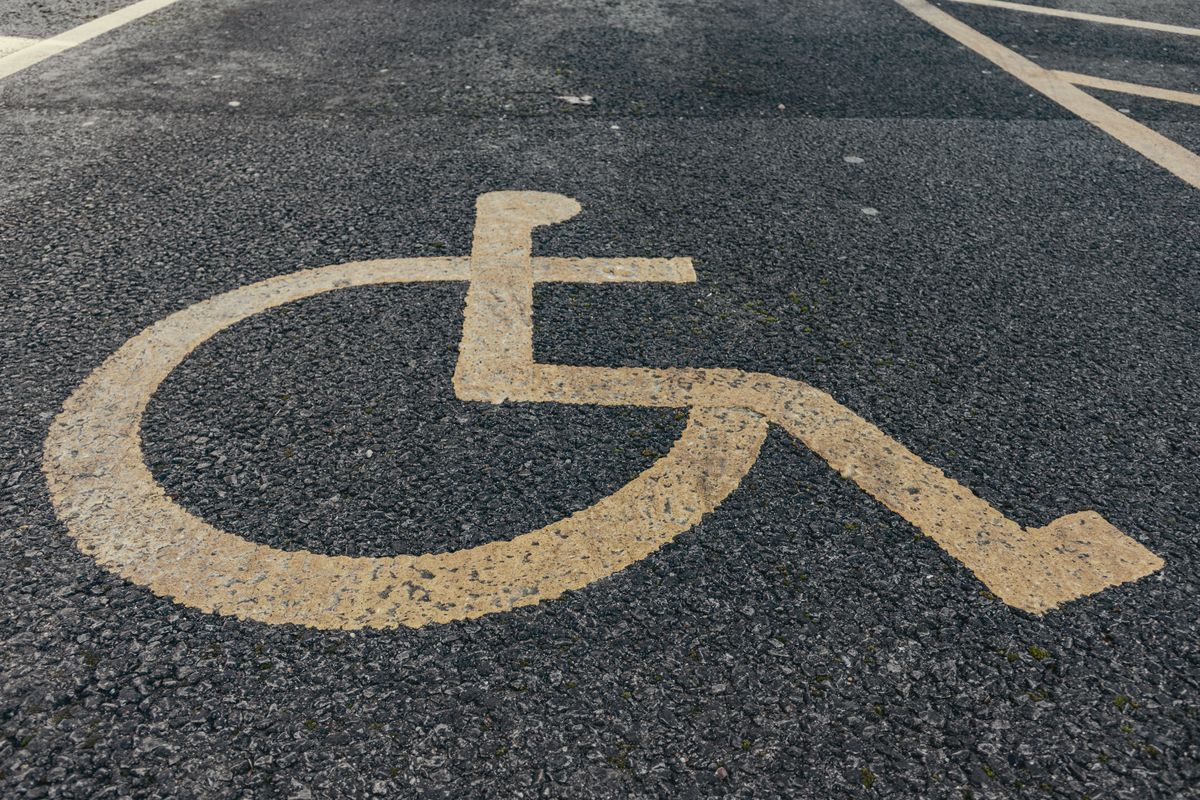
The NCC access provisions address matters including accessible carparking and accessways to accessible buildings. The requirements that apply to a particular property depend on its classification, use, scope of work and applicable regulatory context.
Entrances and doorways
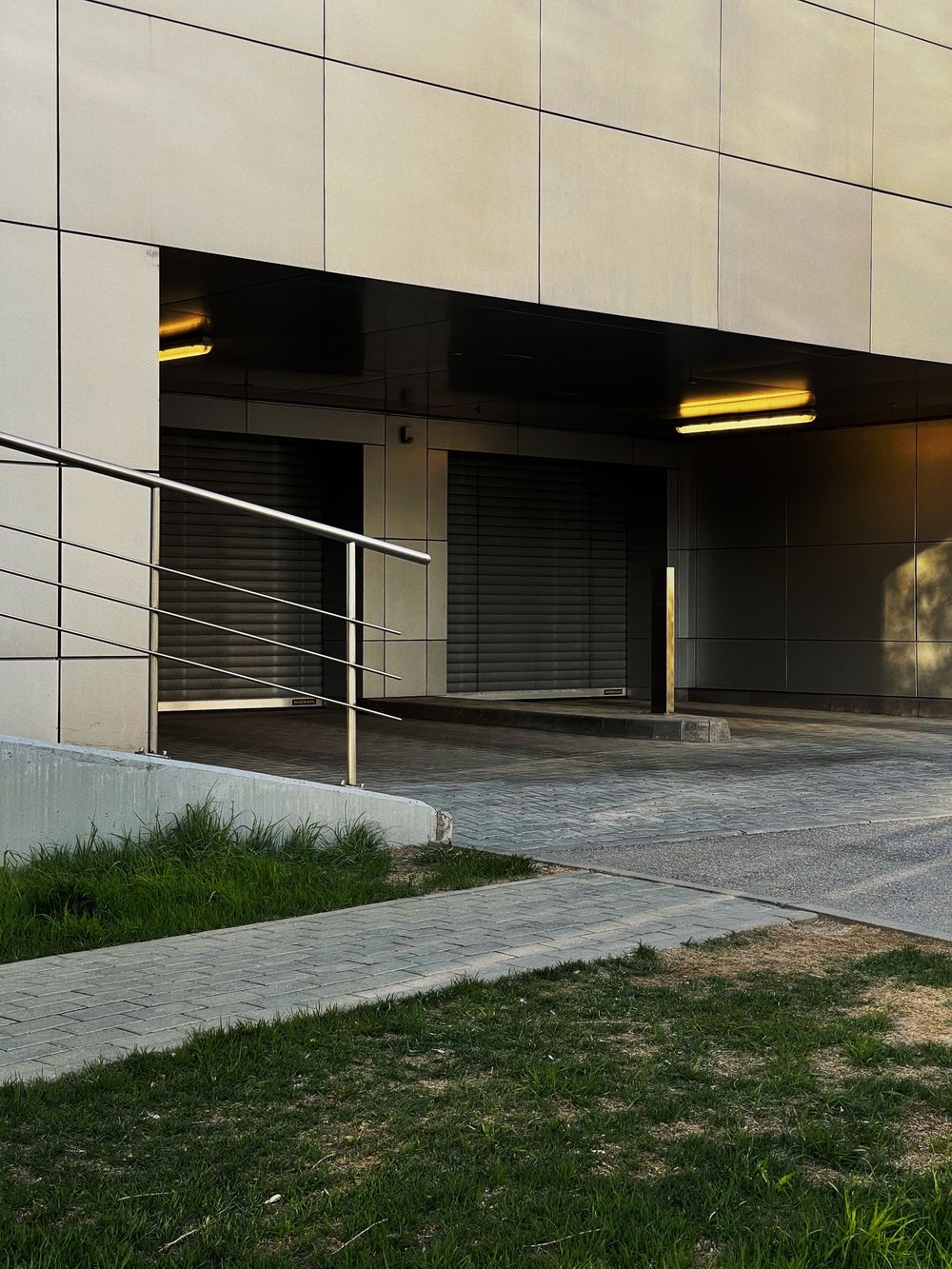
An audit may assess the location and usability of the principal entrance and other entrances included in the scope. Relevant observations can include approach routes, level changes, thresholds, door opening widths, operating forces, controls, hardware, circulation spaces, glazing visibility and weather protection.
A doorway may appear generous while still being difficult to use because of a heavy closer, poorly positioned handle, limited latch-side space or an obstruction within the manoeuvring area. This is why onsite assessment should consider the complete interaction rather than one isolated dimension.
Internal paths of travel
Inside the building, the consultant may review corridors, doorways, floor surfaces, level changes, ramps, stairs, lifts and the routes to facilities used by occupants or visitors. Furniture, displays, storage and temporary equipment can be as important as fixed construction because they may narrow circulation paths or obstruct required clearances.
The audit can also record operational issues such as doors routinely held in an unsuitable position, access routes used for storage, controls placed beyond convenient reach or accessible facilities being used for another purpose.
Sanitary facilities and change areas
Where relevant, an audit may examine accessible sanitary facilities, ambulant facilities, showers and change areas. The assessment can include approach and doorway conditions, circulation space, fixture location, grabrails, accessories, door operation, signage and whether stored items interfere with use.
Accessible sanitary facilities are frequently affected by later substitutions or operational changes. Bins, sanitary-disposal units, shelving, cleaning equipment and replacement fixtures can reduce usable space even where the original room layout was suitable.
Communication, signage and sensory information
Building access is not limited to physical circulation. Depending on the building and audit scope, the consultant may review braille and tactile signage, hearing augmentation, visual contrast, tactile ground surface indicators, wayfinding and the visibility of glazed doors or walls.
The NCC Part D4 introduction identifies braille and tactile signage, hearing augmentation and tactile ground surface indicators among the areas covered by its access provisions. A site audit should connect these features to the actual building context rather than treating them as isolated products.
Rooms, services and common facilities
The extent of access required differs across building classifications. An audit may include reception counters, meeting rooms, work areas, classrooms, accommodation, assembly spaces, recreation facilities, kitchens, common rooms or other spaces relevant to the building’s use.
The agreed report should state which buildings, floors, tenancies, rooms and external areas were inspected. This avoids an assumption that uninspected areas were assessed.
How to prepare for an accessibility audit
Good preparation helps the consultant spend site time assessing the building rather than resolving avoidable uncertainties. Before the inspection, provide:
- the site address and primary contact;
- the building classification and current use, where known;
- the reason for the audit and the decisions the report needs to support;
- current floor plans, site plans and previous access reports;
- details of proposed alterations or refurbishment work;
- known complaints, incidents or difficult locations;
- access arrangements for plant rooms, secure areas and tenancies;
- information about normal occupancy and operating hours; and
- any deadlines connected to funding, design or approval.
Nominate a person who understands how the premises operates. Their practical knowledge can explain which entrances are used, where temporary barriers occur, how visitors obtain assistance and whether certain facilities are locked or managed.
What happens during the site inspection?
The consultant will usually follow a planned route, take measurements and photographs, and record observations against the agreed criteria. The inspection may involve measuring gradients, circulation spaces and opening widths; checking door and control operation; examining surfaces and transitions; and reviewing signage and other access features.
The building should remain in its normal operating condition where possible. A perfectly cleared route prepared only for inspection may hide the operational barriers that users experience every day.
Site access should also be managed safely. The consultant may require induction, personal protective equipment, an escort or permission to photograph particular areas. Sensitive images and personal information should be handled in accordance with the agreed reporting process.
What should the audit report contain?
A useful report should be easy for the owner, designer or facility manager to act on. Depending on scope, it may contain:
- the audit purpose, criteria and limitations;
- the areas inspected and any areas not accessed;
- photographs and locations of observed issues;
- relevant measurements and factual observations;
- references appropriate to the agreed assessment criteria;
- recommended next steps or rectification concepts;
- a distinction between regulatory findings and broader advisory improvements; and
- a prioritisation method suited to the client’s objectives.
Recommendations should not be read in isolation from the report scope. Some issues require further design, structural investigation, heritage advice, services coordination, product information or approval from the relevant building surveyor or authority.
How should audit findings be prioritised?
Attempting to rank every issue only by cost can produce poor outcomes. A practical improvement plan may consider:
- Safety and severe barriers: conditions that create immediate risk or prevent access to essential services.
- Required project work: matters connected to proposed building work, approvals or an agreed compliance scope.
- High-use journeys: arrival, entrance, reception, sanitary facilities and routes used by many people.
- Operational fixes: storage, furniture, locking practices, maintenance and management procedures that may be corrected quickly.
- Planned capital works: items best coordinated with future refurbishment, services or asset replacement.
Priority should reflect both the consequence of the barrier and the organisation’s legal, operational and project context. A qualified consultant can help separate straightforward maintenance from work requiring design and approval.
An audit is the start of an improvement process
The value of an accessibility audit is realised when findings are assigned, budgeted, designed, completed and checked. Keep the report with the property’s asset information, record decisions and update the action plan when work is completed or building use changes.
For larger portfolios, consistent audit scopes and reporting categories make it easier to compare sites and develop a defensible program of works. For a single building, a focused audit can still prevent resources being spent on isolated changes that fail to create a continuous, usable journey.
ASN provides onsite access audits, desktop access audits and disability access consulting for existing and proposed buildings across Melbourne, Victoria and Australia. To discuss the right assessment scope for your facility, request a no-obligation quote or contact ASN.