
Accessible door hardware must be easy to identify, reach and operate as part of the complete doorway. A compliant-looking lever handle can still create a barrier if the door is too heavy, the closer is poorly adjusted, the lock requires fine finger control, the swipe reader is badly positioned or nearby joinery prevents a person approaching the control.
This guide explains the practical checks Australian architects, builders, owners and facility managers should coordinate during design, procurement and handover. Exact requirements depend on the building classification, applicable NCC edition, referenced Australian Standard and project approval pathway.
Why door hardware needs a system-level review
The National Construction Code establishes where access for people with disability is required in relevant Class 2 to 9 buildings. AS 1428.1, where called up by the NCC or project brief, provides technical criteria for accessible paths, doorways and hardware. The Disability (Access to Premises — Buildings) Standards 2010 also form part of the national building-access framework.
Door accessibility cannot be assessed from a product schedule alone. The leaf, frame, hinges, seals, latch, closer, handle, lock, access-control equipment and surrounding circulation all influence whether the doorway can actually be used.

Seven checks for accessible door hardware
1. Confirm the applicable doorway and Standard edition
First confirm that the doorway sits on a required accessible path and identify the project’s adopted NCC edition and referenced Standard. Do not assume every door in every building has identical requirements. Fire doors, sanitary-compartment doors, sliding doors, automatic doors and doors to exempt areas may involve different coordination issues.
For alterations, establish the scope of new work and whether affected-part provisions apply. An onsite access audit can identify existing constraints before hardware is ordered.
2. Select hardware that can be operated without fine finger control
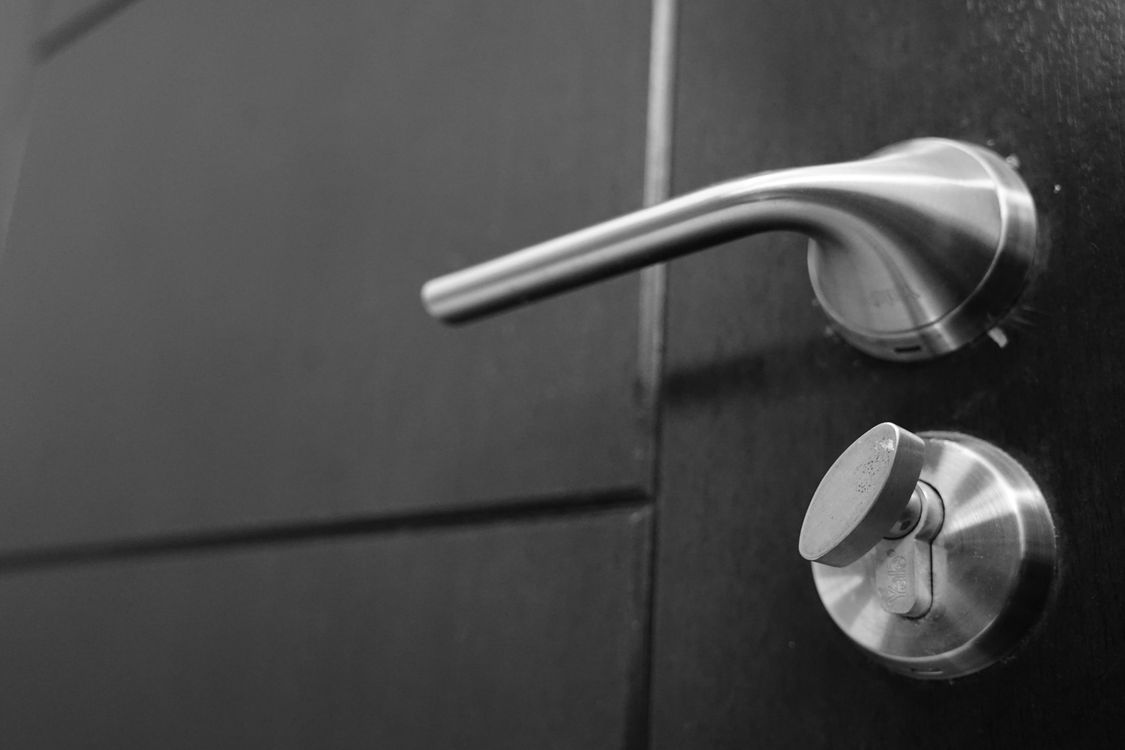
Door furniture should support operation by people with limited hand strength, dexterity or reach. Lever-style hardware is often preferable to small knobs because it can be used with a hand, wrist or forearm. Avoid designs that depend on tight grasping, pinching or twisting.
Check the complete action required. A handle may be usable while a separate thumb turn, key cylinder or security device is not. The operating sequence should be understandable and should not require two difficult actions at once.
3. Coordinate mounting location and approach space
The hardware must be reachable from the required approach. Review its height and distance from corners and obstructions against the applicable project criteria. Wall returns, nibs, cabinets, door stops, bins and furniture can remove the space needed to reach the handle.
Check both sides of the door and every intended approach direction. A plan may show enough room beside the latch, while skirtings, architraves or installed equipment reduce the usable clearance.
4. Measure opening force and closer performance
A technically suitable handle does not compensate for a door that is difficult to open. Door mass, seals, air pressure, hinges, latch alignment and closer adjustment all affect opening force. Fire and smoke requirements must also be coordinated; the solution cannot undermine required door performance.
Test the installed door in its final condition. Closers can be adjusted during commissioning, and seasonal pressure changes or worn components can alter performance after handover. Maintenance procedures should include periodic checks rather than waiting for a complaint.
5. Review access control as part of the accessible path
Swipe readers, keypads, intercoms, release buttons and visitor systems should be reachable, visible and logically positioned. A control mounted too close to an internal corner may be impossible to approach with a mobility aid. A reader should not force the user to present a credential and then move out of the path of a rapidly opening door.
Consider visual, audible and tactile feedback. Users need to know whether access has been granted and how long the door will remain unlocked. Where a manual override or assistance process exists, it should be reliable and communicated clearly.
6. Coordinate automatic and power-assisted doors
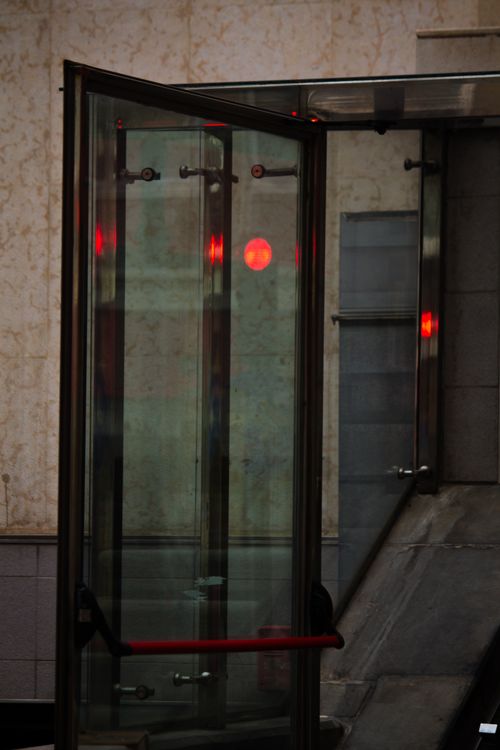
Automatic doors can improve access where manual opening forces are difficult to achieve, but controls, sensors and timing require careful design. Confirm that activation devices are clear of the door swing or sliding leaf and located where a user can wait safely.
Sensors should detect the intended range of users and mobility aids. Review opening width, dwell time, closing speed, emergency operation, power failure and maintenance. An automatic operator is not a substitute for insufficient circulation space.
7. Inspect the installed doorway, not just the schedule
Final inspection should verify clear opening, circulation space, hardware height and location, opening force, closer action, latch operation and access-control behaviour. It should also check thresholds, floor finishes, door stops, glazing visibility and nearby signage.
Use a defects list that identifies the exact doorway and issue. Generic notes such as “adjust door” are difficult to close out and provide little assurance that the access outcome has been achieved.
Common door-hardware mistakes
- Specifying a compliant-looking lever but overlooking the lock or thumb turn.
- Checking nominal leaf size instead of the clear opening.
- Positioning readers or buttons where a wheelchair user cannot approach.
- Allowing door closers or seals to create excessive opening effort.
- Installing a floor-mounted stop within required circulation space.
- Changing hardware during construction without an access review.
- Failing to recommission automatic doors after fitout changes.
- Leaving accessible-door maintenance out of facility procedures.
When should an access consultant review door hardware?
Review is most valuable before the hardware schedule is issued, during shop-drawing coordination and before practical completion. Early review can identify conflicts between access, fire, security, acoustic and operational requirements while product changes remain manageable.
ASN can review drawings through a desktop access audit, inspect installed doors onsite, or provide targeted design advice. Where a physical constraint prevents a Deemed-to-Satisfy solution, a documented Performance Solution may be considered with the building surveyor and relevant specialists.
Door hardware handover checklist
- Applicable NCC and Standard edition confirmed.
- Required accessible doorways identified on plans and schedules.
- Clear opening and circulation spaces checked onsite.
- Handles, locks and controls operable without fine finger control.
- Hardware reachable from each required approach.
- Opening force and closer action tested in final conditions.
- Readers, intercoms and release buttons tested with the door sequence.
- Automatic-door sensors, timing and safety functions commissioned.
- Fire, smoke and security requirements remain satisfied.
- Maintenance responsibilities recorded.
Resolve doorway issues before handover
Door hardware is a small component with a direct effect on independent access. Coordinating it early reduces substitution risk, failed inspections and costly rework. To review a commercial, education, health, aged-care or public building project in Melbourne or elsewhere in Australia, contact ASN.
This article provides general information only. It is not legal advice, certification or a project-specific compliance assessment. Do not reproduce or rely on individual Standard dimensions without checking the licensed Standard and applicable project requirements.