
Luminance contrast testing should be planned before finishes, fixtures and access products are locked in, then verified on site where the installed result is critical to accessibility. In Australian building projects, contrast is not just a design preference or a branding decision. It can affect how people identify doorways, stairs, glazing, tactile ground surface indicators, sanitary fittings, signage and other features used to navigate safely and independently.
For architects, interior designers, builders, certifiers, facility managers and owners, the practical question is usually not “does this colour look different?” It is “will the selected surfaces achieve the required luminance contrast once manufactured, installed, lit and maintained?” That is where early advice and targeted testing can prevent expensive late substitutions.
ASN provides luminance contrast testing as part of broader disability access consulting. This article explains when testing is useful, what can go wrong if it is left too late, and how project teams can make better decisions without treating general information as project-specific compliance advice.
What luminance contrast testing is really checking
Luminance contrast compares the light reflected from one surface with the light reflected from another surface. Two colours may appear different in a render, but if their light reflectance values are close, they may not provide enough visual distinction for users who rely on contrast to detect edges, controls, doors, signs or hazards.
This is why supplier colour names, digital renders and brand palettes are not enough on their own. A dark blue and a charcoal grey may be visually different to a designer under studio lighting, but may not provide the contrast expected by the relevant access criteria. Likewise, a glossy surface may behave differently on site from a flat sample measured in controlled conditions.
The National Construction Code is Australia’s primary set of technical design and construction provisions for buildings. The Disability (Access to Premises – Buildings) Standards 2010 and referenced Australian Standards also influence access requirements for many building projects. The relevant criteria and methodology must be confirmed for the actual project, building classification, element and stage of work.
Why testing should not be left until handover
Contrast issues often become expensive because they are discovered after materials have been ordered, installed or handed over. At that point the team may be dealing with custom joinery, completed tiling, installed toilet seats, manufactured signs, applied glazing strips or powder-coated door frames. A small early decision can become a costly rework item.
Testing at the right time gives the project team evidence before the decision becomes difficult to reverse. For new work, this may involve checking proposed samples before procurement. For refurbishments, it may involve testing existing conditions before deciding whether an item can remain. For existing buildings, it may form part of an onsite access audit that identifies barriers and prioritises rectification.
Common building elements where contrast questions arise
The exact requirements depend on the applicable criteria, but luminance contrast commonly comes up when teams are selecting or reviewing:
- door leaves, door frames, architraves and adjacent walls;
- stair nosings, treads, risers and landings;
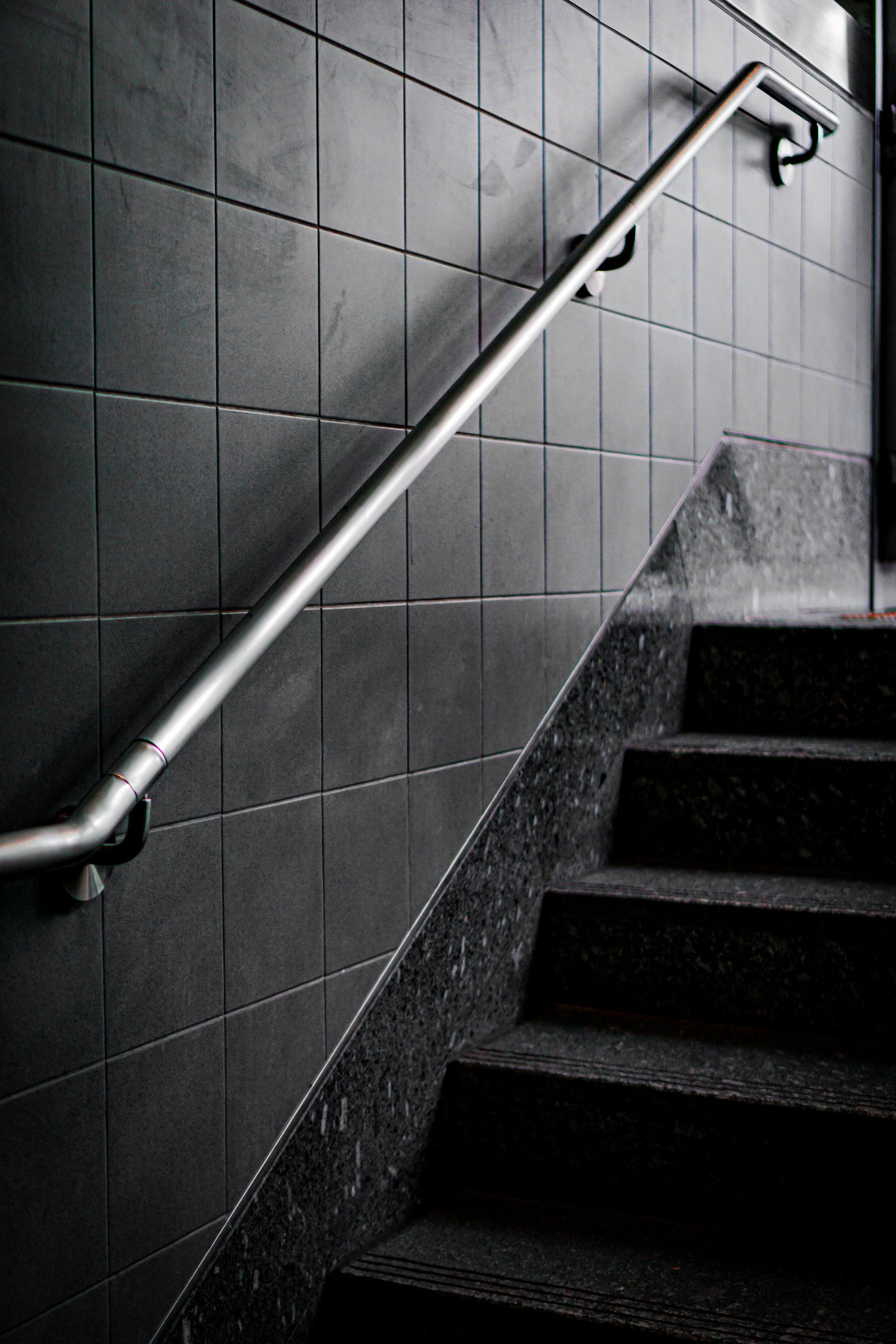
- handrails and supporting walls or backgrounds;
- tactile ground surface indicators and surrounding floor finishes;
- glazing strips and adjacent glass or framing;
- accessible sanitary facilities, toilet seats, grabrails and fixtures;
- Braille, tactile, statutory and directional signage;
- street furniture, bollards, counters and other items in circulation areas.
ASN’s AS 1428 compliance consulting can help project teams understand which elements need attention and which issues should be tested rather than assumed.

Design stage testing versus site verification
Design stage testing and site verification answer different questions.
Design stage testing
At design stage, the goal is to reduce risk before procurement. This may include reviewing finish schedules, manufacturer samples, proposed sanitary fixtures, door and frame finishes, signage substrates, paint colours, floor finishes and product data. The most useful outcome is not just a pass or fail result. It is a clear decision record that helps the architect, builder, supplier and owner understand which combinations are acceptable and which need adjustment.
This stage is particularly valuable when a project has a tight design palette, heritage constraints, brand guidelines, custom joinery or multiple suppliers. It is much easier to swap a sample than to replace finished work.
Site verification
On site, the question becomes whether the installed result matches the intended accessible outcome. Actual lighting, surface finish, product variation, installation quality and maintenance condition can all affect what users experience. Site verification may be needed for completed works, defect reviews, tenancy upgrades, existing buildings, or where a certifier, owner or project team needs clearer evidence.
Site testing should be scoped carefully. It should identify the exact locations, surfaces, assumptions, limitations and relevant criteria. A broad walk-through may be suitable for a preliminary risk review, but formal reporting should be precise enough for project decisions.
How contrast problems happen
Most contrast failures are not caused by a lack of care. They are usually caused by decisions being split across disciplines. The architect selects the wall finish, the builder sources an equivalent product, the signage contractor selects a substrate, the door supplier changes a finish, and the facility manager later replaces an item with a product that looks “close enough”. Each decision may seem reasonable, but the final contrast relationship can change.
Common traps include:
- relying on computer renders instead of measured surface values;
- checking a colour in isolation rather than against its adjacent surface;
- substituting products without rechecking contrast;
- assuming a manufacturer’s colour name indicates performance;
- forgetting that lighting and surface finish can affect perception on site;
- treating signage, doors, stairs and sanitary fixtures as separate packages;
- leaving testing until defects or occupancy inspections.
A practical checklist before ordering finishes
Before approving finishes or access-related products, project teams should confirm:
- which building elements require luminance contrast consideration;
- which version of the NCC, Premises Standards and referenced standards applies;
- whether the issue is being assessed for design, construction, certification, maintenance or existing-building risk;
- which surface is being compared with which adjacent surface;
- whether actual product samples are available for testing;
- whether supplier substitutions will require retesting;
- who will keep the test record and issue it to the relevant team members;
- whether site verification is needed after installation.
For projects still in documentation, ASN’s desktop access audits can help identify contrast and access issues while they are still easier to coordinate. For completed buildings or uncertain existing conditions, an onsite audit may be more appropriate.
What a useful luminance contrast report should include
A useful report should be clear enough for the project team to act on. Depending on the scope, it may include the test purpose, tested items, locations, sample descriptions, method, assumptions, measured values, calculated contrast results, photographs, limitations and recommendations. Where the issue relates to design coordination, the report should also identify which surface combinations are being compared.
It is important not to overstate the result. A luminance contrast test can provide evidence about the tested samples or locations. It does not guarantee that every untested area of a building is compliant, and it is not a substitute for a complete access assessment where broader issues exist.
When to involve an access consultant
Engage an access consultant early when contrast affects elements that are difficult or expensive to change, such as stairs, door systems, sanitary facilities, glazing, signage packages or custom finishes. Early engagement is especially useful for schools, health and aged-care facilities, councils, public buildings, retail centres, transport interfaces and major refurbishments where access decisions affect many users.
Late advice can still be valuable, particularly where a building surveyor, owner, builder or facility manager needs an independent review of a defined problem. The key is to be clear about the purpose of the testing: design selection, procurement check, defect review, compliance evidence, maintenance planning or broader accessibility improvement.
Frequently asked questions
Can I rely on paint supplier LRV values?
Supplier information can be a useful starting point, but it should not be treated as a complete answer for every installed condition. The relevant adjacent surfaces, product finish, lighting and project criteria still need to be considered. Where the result matters, obtain project-specific advice or testing.
Is luminance contrast testing only needed for new buildings?
No. Existing buildings may need testing during access audits, refurbishments, maintenance works, tenancy upgrades, complaint responses or due diligence. Existing conditions can also change over time as finishes wear, products are replaced or lighting is altered.
Does a passing contrast result mean the whole access item complies?
Not necessarily. Contrast is only one part of accessibility. A doorway, sign, stair or sanitary facility may also involve dimensions, location, circulation space, tactile information, slip resistance, lighting, operation and other requirements. A full access review may still be needed.
Next steps
If your project includes doors, stairs, glazing, signage, sanitary facilities or other elements where contrast is uncertain, ASN can help define the testing scope and provide practical advice before decisions become costly to reverse. You can contact ASN or request a fee proposal for luminance contrast testing, desktop review or onsite access audit.