
A school refurbishment should treat accessibility as a whole-of-journey design issue, not a late check of ramps and toilets. For Australian school projects, the practical question is whether students, staff and visitors can approach the site, enter, move between learning areas, use facilities and participate in school activities with dignity and reasonable independence.
That requires more than applying one checklist. Project teams need to coordinate the National Construction Code (NCC), the Disability (Access to Premises – Buildings) Standards 2010, referenced Australian Standards, education-provider obligations and the realities of an existing campus. This guide explains where accessibility risks commonly arise and what to review before a refurbishment design is approved.
This article provides general information only. The requirements for a particular project depend on its scope, building classification, approvals pathway, existing conditions and jurisdiction. Obtain project-specific advice from the relevant building surveyor and suitably qualified consultants.
Why school refurbishments need an early accessibility review
Schools are generally Class 9b buildings under the NCC. NCC 2022 Volume One states that access is required to and within all areas normally used by occupants in schools and early childhood centres, subject to the detailed provisions, exemptions and the solution adopted for the project. That broad coverage makes coordination especially important on campuses with multiple buildings, changing levels and staged works.
The Premises Standards establish an Access Code for relevant building work. Separate but related obligations also arise under the Disability Standards for Education 2005, which address access and participation in education on the same basis and include processes for consultation and reasonable adjustments. Meeting a building approval pathway does not, by itself, answer every operational or individual access question a school may face.
An early desktop accessibility review can identify conflicts while layouts, levels and specifications are still flexible. This is usually more efficient than discovering at tender, construction or handover that a doorway, path, sanitary facility or learning space needs redesign.
Start with scope, approvals and the existing campus
Before reviewing detailed dimensions, define what work is proposed and what existing conditions connect to it. A classroom upgrade may appear self-contained, but students may need to travel from the site boundary or accessible parking through gates, covered walkways and older buildings to reach it. The route may also include security controls, changes in level, heavy doors or temporary works.
Confirm these points at project commencement:
- the relevant building classifications and the areas included in the refurbishment;
- whether a building permit is required and which NCC edition and state variations apply;
- whether the work affects paths, entrances or facilities outside the immediate room;
- how the Premises Standards’ new-building, new-part and affected-part provisions may apply;
- the school’s operational requirements, enrolment context and known adjustment needs;
- who will coordinate access advice with architecture, landscape, services, structure, fire safety and security; and
- how accessibility will be checked during documentation, construction and handover.
For Victorian government school projects, the Victorian School Building Authority’s current Building Quality Standards Handbook planning guidance is also relevant to the project brief. It promotes universal design, early engagement and accessible movement across school sites. Other sectors and jurisdictions may have their own education-facility standards that sit alongside statutory requirements.
A practical school refurbishment accessibility checklist
1. Arrival, parking and site entries
Review the complete arrival sequence from the public footpath, transport set-down and any accessible parking spaces. Check that the intended route is continuous, understandable and available whenever the refurbished area is in use.
Common coordination questions include whether kerbs, drainage channels or gate thresholds interrupt the route; whether a person can operate an intercom or access-control device; and whether students can move safely without being directed into vehicle circulation. Weather protection, lighting and after-hours community use may also affect the design.
2. Paths of travel between campus buildings
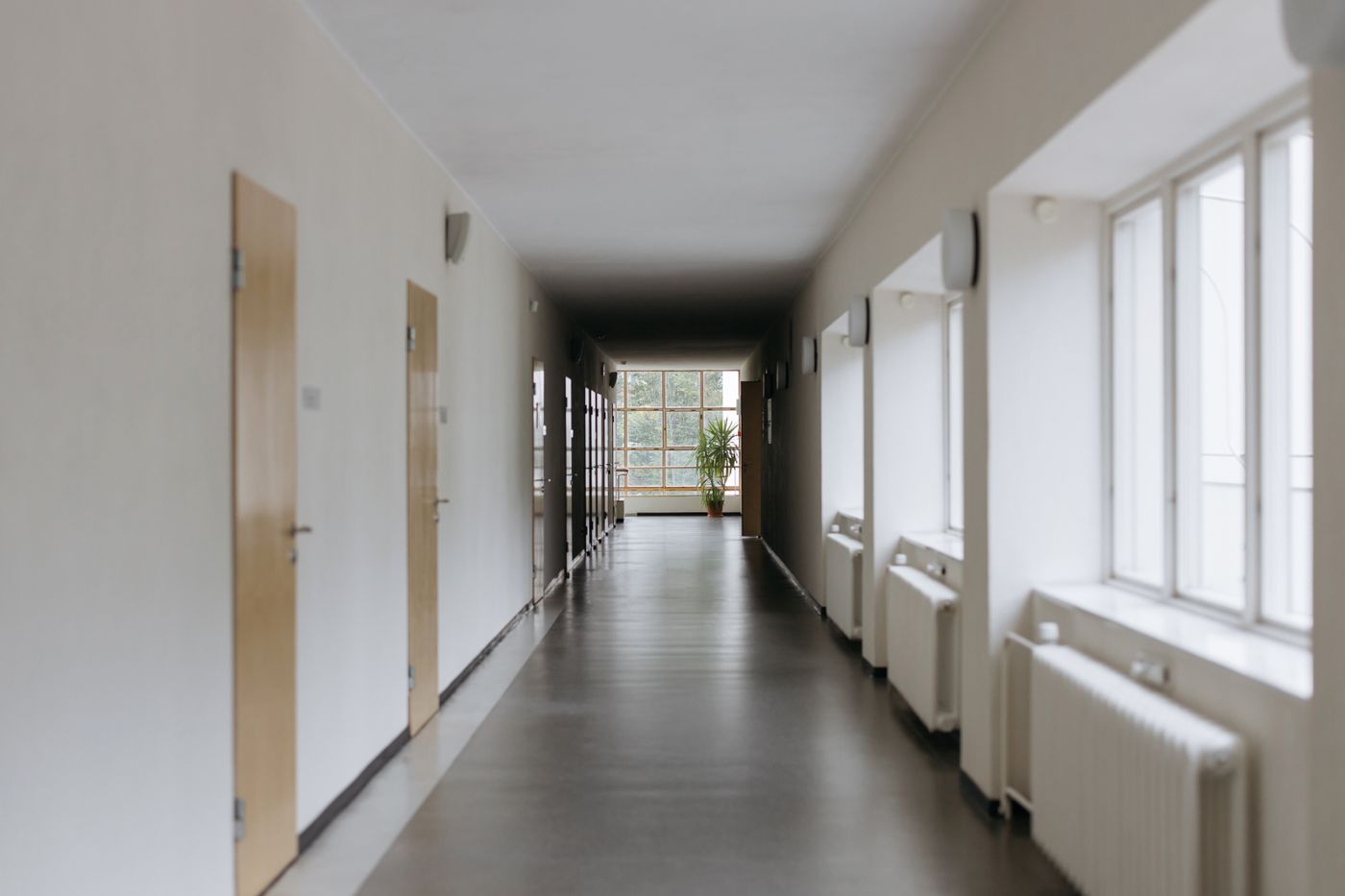
Older campuses often contain isolated compliant elements connected by an inaccessible journey. Review gradients, crossfalls, landings, surface transitions, circulation spaces, overhead hazards and changes in level as a system. Consider where people wait, turn, pass one another and approach doors, not just the nominal width of a path.
External routes can change after landscaping, drainage or civil works. Finished levels should therefore be coordinated across architectural and landscape drawings, then verified onsite. ASN’s onsite access audit and inspection services can help project teams compare constructed conditions with the agreed design criteria.
3. Entrances, doors and security controls
Check doorway clear openings, circulation spaces, thresholds, door hardware and opening forces as an integrated arrangement. A compliant-looking door can still be difficult to use if a card reader is out of reach, a closer is too strong, a mat creates resistance or furniture occupies the required approach area.
Security planning needs particular care in schools. Gates and controlled doors should support child safety and supervision without creating an avoidable access barrier. Coordinate intercoms, fobs, push buttons and release controls early, including mounting locations and the space needed to approach and operate them.

4. Learning spaces and specialist rooms
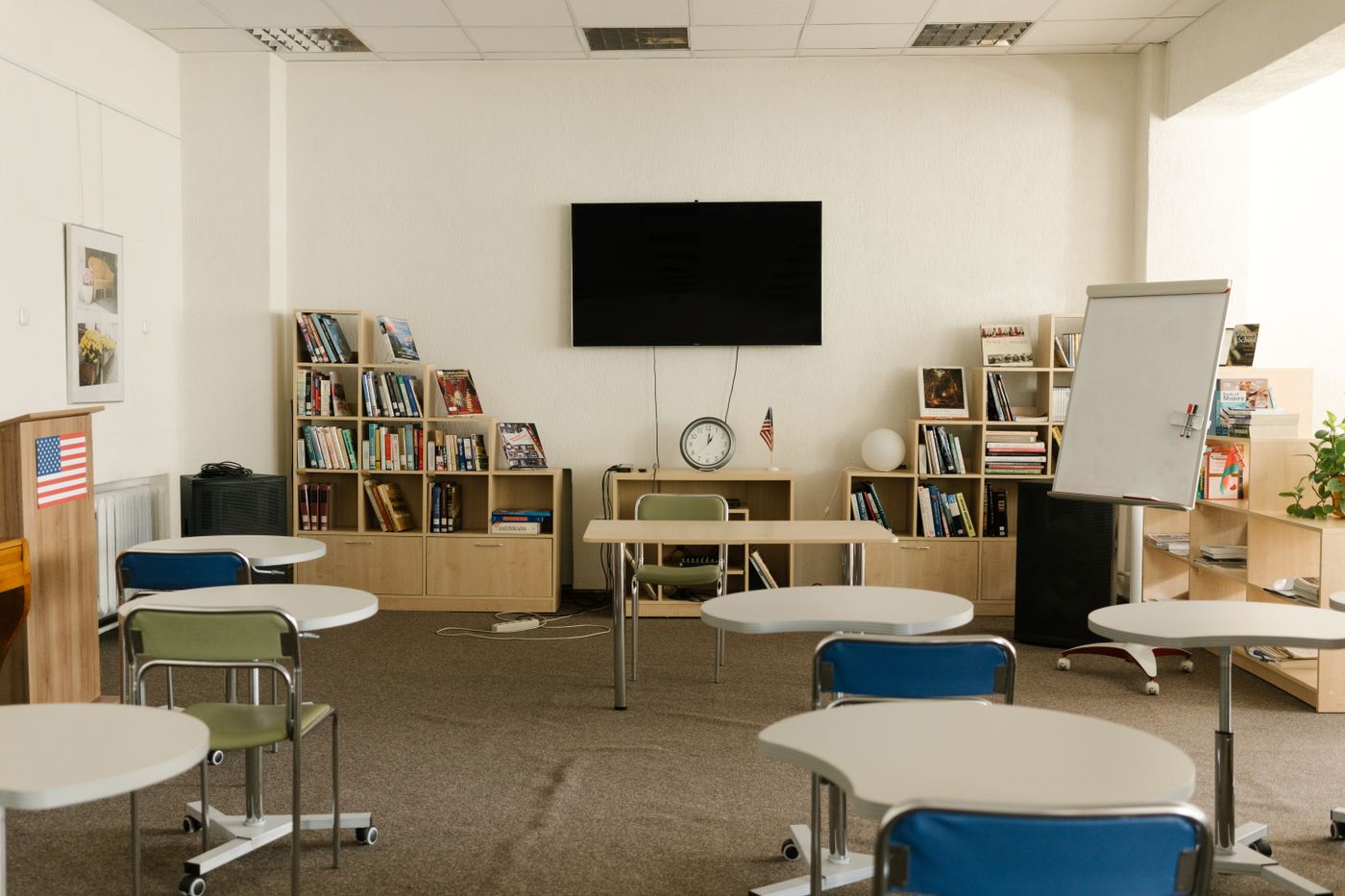
Access should extend into the activities that occur in a room. Review how students and staff reach workstations, teaching walls, storage, sinks, equipment and shared resources. In science, art, technology, food and performance spaces, fixed benches and specialist equipment can make later adjustments difficult if accessibility is not considered during briefing.
Avoid assuming that one accessible workstation resolves every issue. The arrangement should support circulation, participation, sightlines and flexible teaching. Controls and operable elements also need to be considered, including power, lighting, blinds, taps and audio-visual interfaces.
5. Sanitary and personal-care facilities
Confirm the required number, type and location of facilities for the project. Review accessible and ambulant facilities, circulation space, doors, fixtures, grabrails, accessories, signage and the path leading to them. A technically correct room can become unusable if bins, sanitary units, shelving or door swings intrude into essential space.
Some schools may also need facilities that respond to individual student support or personal-care requirements beyond the minimum building provisions. Those needs should be addressed through appropriate consultation and a clear operational brief. They should not be confused with the separate question of whether an Accessible Adult Change Facility is required by the NCC.
6. Stairs, ramps, lifts and level changes
Where level changes cannot be avoided, compare the available solutions early. Ramps can consume substantial area and affect drainage, supervision and circulation. Platform lifts and passenger lifts introduce structural, services, maintenance and management considerations. A solution that works on a floor plan may be awkward in daily school use.
Stairs and ramps require coordinated attention to handrails, landings, tactile ground surface indicators, stair nosings, lighting and luminance contrast. Product selections should be reviewed before procurement because substitutions can change dimensions, contrast, slip resistance or installation details.
7. Wayfinding, signage and communication
Wayfinding starts with a legible site layout. Use consistent routes, visible entries and clear decision points before relying on signs to repair a confusing plan. Review statutory braille and tactile signage where required, together with room identification, directories, contrast, lighting and mounting locations.
Assembly and presentation spaces may also require hearing augmentation, depending on the installed amplification system and the applicable NCC provisions. Coordinate the system, coverage, signage, testing and user instructions rather than treating it as a late electrical item.
8. Outdoor learning, play and community-use areas
Include courtyards, libraries, halls, ovals, gardens, play areas and community-use facilities in the access strategy where they are within scope or form part of the journey. Consider firm and stable routes, seating choices, spectator areas, shade, gates, drinking fountains and access to shared activities.
Equal participation does not always mean making every item identical. It means planning meaningful choices and avoiding a segregated experience. The project brief should distinguish minimum construction requirements from broader universal-design goals so decisions are transparent.
How to coordinate accessibility through the project
A staged review process reduces the risk of accessibility information being lost between concept design and construction:
- Existing-condition review: inspect relevant routes, levels, doors, facilities and constraints before locking in the brief.
- Concept review: test the access strategy, key journeys and major level changes while alternatives remain open.
- Design-development review: assess layouts, door schedules, sanitary facilities, vertical circulation and specialist spaces.
- Documentation review: coordinate dimensions, details, specifications, schedules, signage and nominated products.
- Construction inspections: verify set-outs and critical installations before finishes conceal or constrain corrective work.
- Handover review: confirm completed conditions, identify outstanding items and provide useful information for facilities staff.
Record assumptions and decisions at each stage. Where a Deemed-to-Satisfy solution is not appropriate, a properly developed accessibility Performance Solution may be considered through the project’s formal approval process. It should be developed early enough to inform design and evidence, not assembled retrospectively to justify an already-built condition.
Questions to ask before approving the design
- Can a student, staff member or visitor complete the whole journey to the refurbished area?
- Have existing levels and constraints been verified onsite rather than assumed from old drawings?
- Are security, supervision and accessibility requirements coordinated?
- Can the intended learning activities be reached and used, not merely the room entered?
- Have fixtures, controls, furniture and equipment been included in the review?
- Are landscape, civil, services and architectural details using consistent finished levels?
- Are specified access products supported by appropriate evidence and installation details?
- Is there a plan for inspections before critical work is concealed?
- Have school representatives and affected users been consulted where appropriate?
- Are responsibilities for final checks and defect close-out clear?
When to involve an access consultant
For a school refurbishment, an access consultant is most useful before the concept is fixed and again at defined documentation and construction milestones. Early advice can help the architect, building surveyor, school and contractor separate statutory questions from broader inclusion goals, identify missing information and resolve conflicts while options remain available.
ASN provides accessibility design reviews, onsite inspections and reporting for building projects. To discuss the scope of a school refurbishment or arrange a review, contact ASN.